Cancer is often seen as a purely physical disease, but more and more studies, along with holistic healing traditions, believe that emotional and mental states play a significant role in the development and progression of illnesses, including cancer. Unprocessed emotions, unresolved emotional trauma, stress, suppressed emotions, and persistent negative thought patterns can manifest as physical ailments, and cancer is no exception. While genetics, environment, and lifestyle choices may play a role, emotional and mental factors serve as the triggers that create internal disharmony. Let us explore the potential mental and emotional causes of cancer.
Important - This work addresses the emotional and psychological dimensions of illness- the patterns of suppression, unsafety and unlived life that shape the body’s internal terrain. These dimensions are real and, I believe, central. They may not always be the whole picture though. Cancer is multifactorial. Genetics, ageing, infections, environmental and occupational exposures, immune and metabolic processes, lifestyle and emotional life all belong to a complex whole. No single factor explains every cancer or every person’s illness.
I work alongside medicine, never in place of it. If you are living with cancer, medical care remains the foundation. This work sits alongside it; it never replaces it. Nothing here means that you caused your illness, invited it or failed to prevent it. It means that emotional life is one real layer of a complex whole and one worth tending.
Can Emotional Trauma Contribute to Cancer?
Emotions are energy, and when they are repressed, denied, or left unprocessed, they can create energetic blockages in the body. Over time, these blockages may weaken the immune system, create chronic inflammation, and disrupt the body’s ability to regulate itself.
Chronic stress, resentment, unresolved grief, and deep-seated fears have been linked to many diseases, including cancer. Understanding the emotional patterns behind illnesses can help us recognize our inner wounds and begin the process of healing from within.
The organ reveals the emotional territory. The disease process reveals what is happening within it. In cancer, the pattern is not simply disturbed — something has stayed unresolved, contained, denied or unlived for so long that it begins to develop a life of its own.
Different diseases of the same organ can arise within the same emotional territory, but they express different movements within it. One is not being presented here as an emotional progression into another.
Read the section that applies to you. Some of it will miss. Some of it will land hard. Stay with what lands.
Healing Emotional Wounds: A Step Towards Prevention
- Self-Reflection: Identify suppressed emotions and acknowledge past traumas.
- Emotional Release: Engage in therapy, journaling, or energy healing practices.
- Forgiveness: Let go of resentment and self-blame to create inner peace.
- Healthy Boundaries: Learn to prioritize self-care and say no when needed.
- Embracing Joy: Engage in activities that bring fulfillment and happiness.
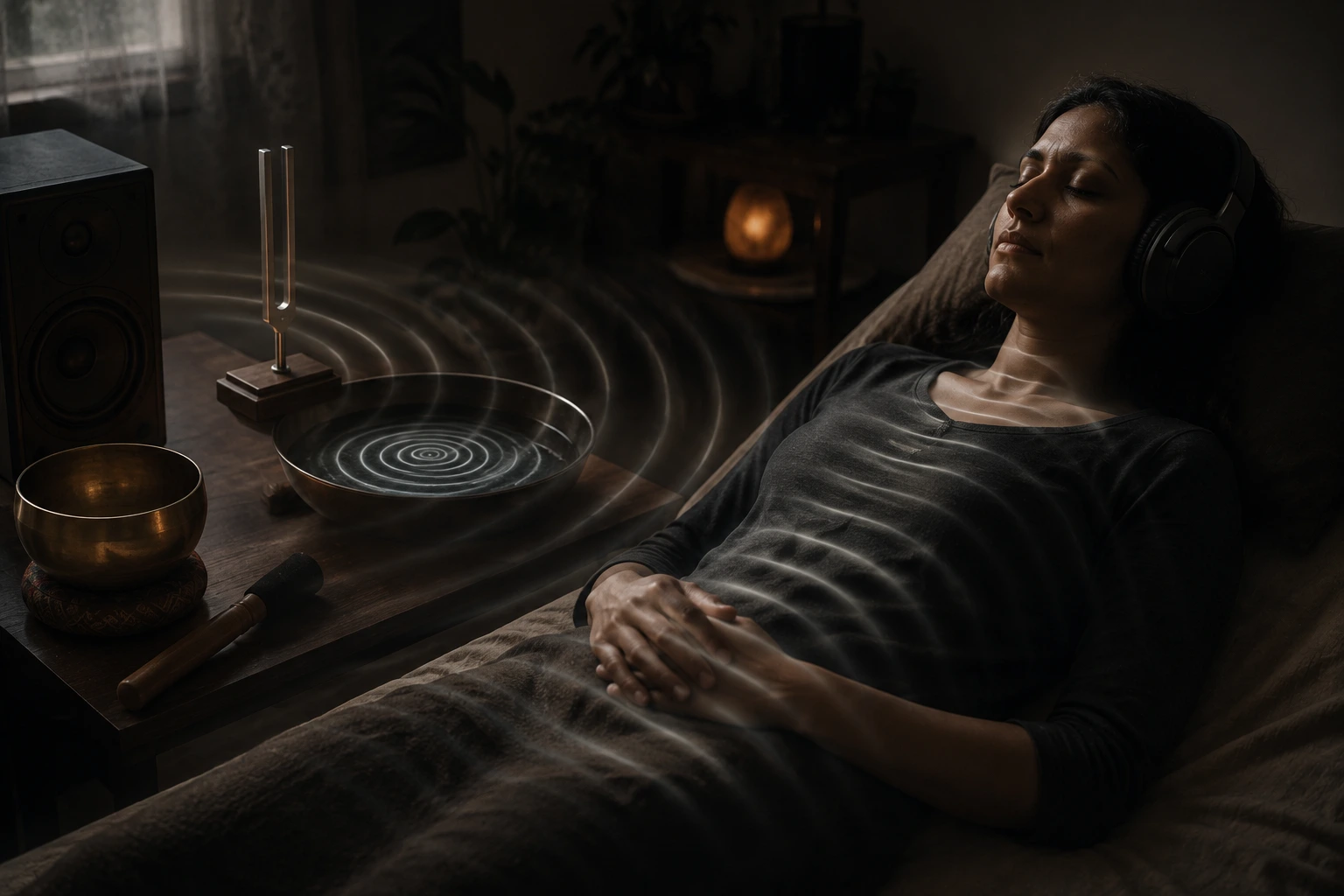
- Mind-Body Practices: Meditation, breathwork, and holistic healing can support emotional well-being.
Final Thoughts: The Power of Emotional Healing
Cancer is a complex disease, and while emotional causes are not the sole factor, addressing mental and emotional well-being can play a significant role in prevention and healing. By acknowledging, processing, and releasing emotional wounds, individuals may create an environment within their bodies that supports health and resilience.
If you or a loved one are dealing with cancer, consider integrating emotional healing practices—such as therapy, meditation, journaling, and energy work—alongside conventional treatments. Healing is a journey that encompasses not just the physical but also the mental, emotional, and spiritual aspects of our being.
Recommended Reading 📚
If you’d like to dive deeper into understanding the emotional roots of your health, here are some highly recommended books that align with what we explored in this post:
Dying to Be Me — Anita Moorjani
Radical Remission: Surviving Cancer Against All Odds — Kelly A. Turner
The Healing Power of Emotion — Diana Fosha
Love, Medicine and Miracles — Bernie Siegel
As an Amazon Associate, we may earn a small commission from qualifying purchases — at no extra cost to you. Thank you for supporting Soulvyom’s mission of holistic healing.
Types of Cancers
Care That Consumed the Self
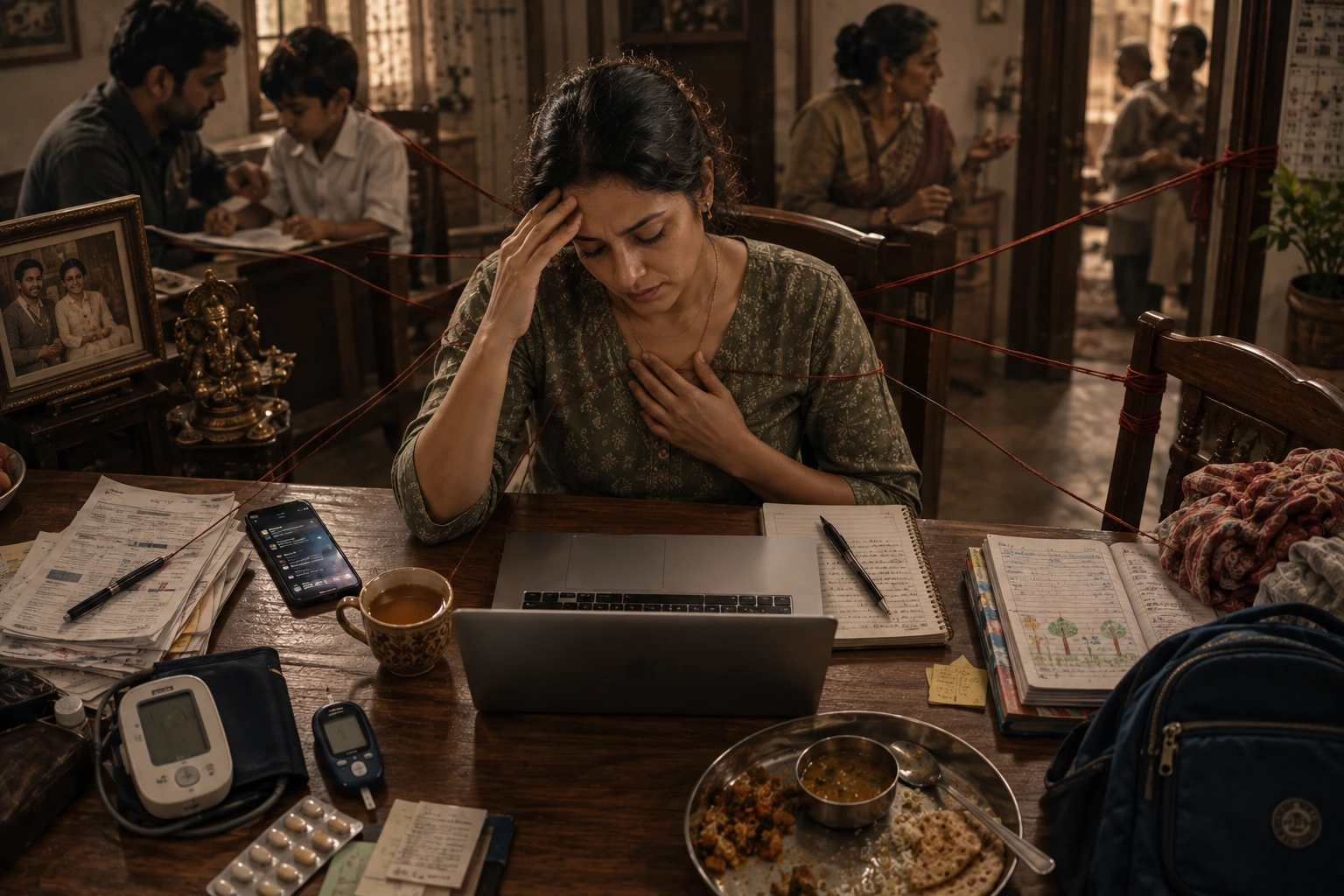
The breast belongs to nourishment, protection, the giving of yourself. Everyday breast trouble tends to gather around conflict in nurturing — worry over children, resentment in caregiving, difficulty letting anyone care for you. In breast cancer the pattern has stopped being a phase and become a whole identity. You lived as the source everyone drew from while your own emotional life went unfed. Love hardened into duty. Giving became the way you stayed safe. And the resentment underneath had nowhere respectable to go, so it went nowhere at all. The wound isn't that you cared too much. It's that you disappeared inside the caring.
Internal Enquiry
- Where have you become responsible for everyone's wellbeing?
- What have you kept giving long after love turned into duty?
- Who gets the care you've never let yourself need?
- What resentment sits underneath your nurturing?
- Who are you when nobody needs anything from you?
Intimate Boundaries Overruled
Persistent infection with high-risk HPV is the established cause of virtually all cervical cancers, and what follows sits beside that, not over it. The cervix is a gateway — between your inner world and everything outside it. Everyday disturbance here carries themes of consent, sexual guilt, intimate boundaries, forced adjustment. In cervical cancer, your authority has been overruled again and again in the most private rooms of your life. Desire got shaped by duty, sexuality by shame, the big choices by family or culture or survival. The body ends up holding a strange conflict: an intimate self you were never given full ownership of.
Internal Enquiry
- Where did you learn your desires mattered less than what was expected of you?
- What intimate choice was never fully yours?
- What guilt or shame around sexuality still lives in you — and whose was it originally?
- Where did you say yes because no was never really available?
- What would it mean to own your own body and life?
What Could Neither Be Faced Nor Released
The colon belongs to completion — finishing, eliminating, letting go. Everyday bowel trouble carries anxiety, control, shame, the struggle to release the past. In colorectal cancer, something old has stayed undigested and clamped down tight. Anger, guilt, humiliation, the parts of yourself you'd rather not own — hidden away instead of brought into the light. On the outside you may look controlled and capable. Inside you're carrying material that feels too shameful or too dangerous to touch, and the whole life quietly organises itself around holding on.
Internal Enquiry
- What part of yourself have you worked hardest to keep hidden?
- What old event still carries shame or humiliation?
- What would come apart if you finally let go?
- Where has control taken the place of trust?
- What truth about you needs understanding, not rejection?
Grief That Narrowed the Will to Live
Tobacco smoking is the leading established risk factor here, and this sits alongside it. The lungs belong to space, freedom, grief, the willingness to take life in. Everyday breathing trouble shows up when life feels constricted or heavy. In lung cancer, grief has become more than a feeling — it's become the air you live in. There may be losses you survived but never actually mourned, loneliness tucked under responsibility, a slow pulling-back from hope after too much disappointment. You keep breathing, working, functioning. You've just stopped letting life all the way in.
Internal Enquiry
- What loss changed your relationship with life?
- When did you start protecting yourself from hope?
- Where do you feel emotionally suffocated?
- What part of life have you stopped letting yourself want?
- What would it take to breathe life in again without bracing for its loss?
What Was Swallowed, Bitten Back or Made Palatable
Tobacco in all its forms—including smokeless tobacco—is a major established risk here. Alcohol and betel-quid exposure also contribute, and this emotional enquiry sits alongside them. The mouth takes in, tastes, refuses, speaks, defends. Everyday mouth trouble carries irritation, words held back, things that taste bitter or won't go down. In oral cancer, you've taken in, again and again, what should have been refused. Swallowed the humiliation. Made an intolerable situation look acceptable. Bit back the response to keep a relationship, a job, your safety. The conflict lives right there — between what your mouth wanted to spit out and what your life required you to accept.
Internal Enquiry
- What have you swallowed over and over even though it was unacceptable?
- Which words have you bitten back for years?
- Where have you made something bitter look fine?
- What did you want to refuse but couldn't?
- What would you finally spit out if there were no consequences?
The Voice That Could Not Become a Life
Tobacco and alcohol are major established risks here. HPV is also an important driver in many oropharyngeal cancers. What follows sits alongside these factors. The throat is where voice is made — but cancer here is about more than words you didn't say. Everyday throat trouble comes with temporary silence, fear of confrontation, difficulty speaking up. In throat and laryngeal cancer, you've edited yourself so long that the silence has shaped who you are. Your voice may have worked hard — for your job, your family, everyone else — while the truth of what you wanted stayed unspoken. The conflict isn't having a voice. It's never having the authority to live by it.
Internal Enquiry
- What truth have you spoken privately but never acted on?
- Whose reaction taught you to edit yourself?
- Where is your voice useful to everyone except you?
- What would your life look like if your words carried weight?
- What part of you stayed silent to keep belonging?
The Reality That Could Not Be Digested
H. pylori infection is a major established risk here, and this emotional enquiry sits alongside it. The stomach receives life and starts breaking it down. Everyday stomach trouble carries worry, dread, anger, the struggle to accept what happened. In stomach cancer, you've lived a long time with a reality you could neither accept nor escape. Something stayed indigestible — a betrayal, a family situation, a humiliation, a life arrangement that kept producing resistance year after year. On the outside you adjusted. On the inside you never stopped saying: I cannot take this in.
Internal Enquiry
- What part of your life has stayed impossible to digest?
- What are you still protesting inwardly while you've adapted outwardly?
- What's eating at you beneath the daily functioning?
- Which truth have you refused because accepting it would change everything?
- What would it actually take to digest this?
A Life Forced Down
The oesophagus is the passage the outside world travels to get inside you. Everyday trouble here is the difficulty of swallowing circumstances, pressure, resistance to what you're told to accept. In oesophageal cancer, you've been made to take in a life you didn't choose. Situations, decisions, relationships — forced down because resisting felt pointless or dangerous. This isn't simple refusal. It's the trap of having no bearable choice between swallowing and losing something you couldn't afford to lose.
Internal Enquiry
- What did life force you to accept before you were ready?
- Which decision felt imposed rather than chosen?
- Where do you go through the motions outwardly while resisting inwardly?
- What have you been unable to either accept or reject?
- What choice would give you back a stake in your own life?
Anger That Became an Inner Climate
Liver cancer often has established drivers — chronic hepatitis, alcohol, cirrhosis — and this sits alongside them. The liver belongs to anger, direction, judgement, the capacity to act. Everyday liver and gall trouble gathers around frustration, bitterness, blocked decisions. In liver cancer, anger has stopped being about single events and become the weather you live in. Unresolved injustice, betrayal, years of tolerating what felt deeply wrong. Ambition and constant motion can become ways to outrun it, while the criticism keeps you tied to the very thing you resent.
Internal Enquiry
- What injustice have you never been able to resolve?
- Where has anger curdled into bitterness?
- Who are you still arguing with inside your head?
- What did your anger need you to do that you never did?
- What would be left of you if you set the grievance down?
A Life Without Enough Sweetness
The pancreas belongs to sweetness — nourishment, receiving, using what life gives. Everyday pancreatic and blood-sugar trouble carries deprivation, overwork, the guilt that comes with pleasure. In pancreatic cancer, emotional nourishment has been denied so long that life became functional but never sweet. You give, provide, perform — and can't take love or care or ease back in. Sweetness feels undeserved, or unsafe, or something you're allowed only once every duty is done. Which means never.
Internal Enquiry
- When did pleasure become something you had to earn?
- Can care actually reach you, or do you repay it, shrink it, deflect it?
- What sweetness have you filed under "later"?
- Where has duty taken the place of nourishment?
- What would it mean to receive without first proving you deserve it?
Masculine Worth Under Siege
The prostate belongs to masculine identity, sexuality, authority, generative power. Everyday prostate trouble arises around ageing, sexual self-image, control, the fear of losing your role. In prostate cancer, the deeper pattern carries long humiliation, powerlessness, the slow erosion of what you were told a man is worth. Maybe you couldn't protect, provide, decide, or command respect the way you believed you had to. Sexuality, authority and dignity tangle together — and the self-criticism turns an outer loss of power into an inner attack.
Internal Enquiry
- Where have you felt stripped of authority or respect?
- What did you learn a man must be in order to matter?
- Which loss made you question your manhood?
- Where has powerlessness turned into shame?
- Who would you be if you no longer had to prove you were a man?
Creative Life Turned Inward
The ovaries belong to generation — of children, yes, but also projects, identities, desires, whole new lives. Everyday ovarian trouble carries conflict around womanhood, creativity, fertility, intimate choice. In ovarian cancer, your generative self was suppressed or handed to someone else to control. You may have spent years producing what family or society required while your own creations stayed unborn. The choices — personal, sexual, financial — got shaped by survival. And the energy meant to bring something new into the world kept getting turned back on itself.
Internal Enquiry
- What have you longed to create but never let take form?
- Where were your choices about womanhood or motherhood shaped by other people?
- What part of your sexuality is still owned by shame, fear or obligation?
- What creation of yours got sacrificed to survival?
- What is still waiting to be born through you?
Survival Without Inner Safety
The kidneys belong to fear, support, discernment — taking in what sustains you, filtering out what doesn't. Everyday kidney trouble carries insecurity, relational fear, the exhaustion of staying alert too long. In kidney cancer, survival has become the organising principle of the whole life. You trust your own effort more than anyone's support. You stay braced even when you're safe. Receiving feels like exposure, like dependence. Underneath the independence sits a deep, old uncertainty about whether life — or people — can be relied on at all.
Internal Enquiry
- When did you learn that safety was entirely up to you?
- What support do you distrust even when it's freely given?
- Where are you still living as if danger is close?
- Which relationship taught you that depending on someone wasn't safe?
- What would let your body finally stop bracing for the next blow?
The Life Force That Did Not Feel Welcome
Blood is life itself — vitality, inheritance, the feeling of being fully here. Everyday blood trouble carries depletion, weakness, the struggle to hold your place. In leukaemia the territory underneath is a constitutional unsafety: a sense that life is hostile, that joy is fragile, that your existence needs justifying. Often it was learned early — withdraw, want less, take up less room. This is offered gently and never as cause. The question isn't why you're tired. It's whether it ever felt safe to be fully alive.
Internal Enquiry
- Did life feel welcoming to you when you were young?
- Where have you made yourself smaller to stay safe?
- What joy do you distrust because it might be taken away?
- Whose approval made you feel allowed to exist?
- What would full participation in life ask of you now?
Protection That Never Stood Down
The lymphatic system is protection, belonging, cleansing — the line between self and threat. Everyday immune trouble carries chronic vigilance, blurred boundaries, difficulty processing what comes in. In lymphoma the protective function has overgrown. You've spent years scanning relationships, rooms, family dynamics for danger, unable to tell a real threat from an old one. You're protected, but never at rest. Connected, but never quite safe inside the connection.
Internal Enquiry
- Where are you still watching for a danger that's already passed?
- Whose emotions come into you as if they were your own?
- What makes belonging feel unsafe?
- Where have your boundaries gone either porous or rigid?
- What would protection look like without the constant watching?
The Self That Was Not Allowed to Emerge
The thyroid belongs to voice, pace, development, the right to steer your own life. Everyday thyroid trouble carries suppression, pressure, feeling too slow or too rushed, the difficulty of naming what you need. When it turns autoimmune, the body starts attacking itself — the old judgement about speaking or becoming, turned inward. In thyroid cancer the core issue is growth that was never allowed outward. A self, an identity, a direction kept developing underneath an acceptable exterior and was never once permitted to show.
Internal Enquiry
- What truth have you been able to think but never to live?
- Whose reaction still governs your choices?
- Where is your voice useful to everyone except you?
- What part of you stayed hidden so you'd stay acceptable?
- What would change if your outer life finally matched who you've become inside?
Resentment Held Under Pressure
Smoking and certain chemical exposures are established risks here, worth naming first. The bladder belongs to holding, releasing, territory, boundaries. Everyday bladder trouble carries irritation, anxiety, insecurity, the difficulty of letting go. In bladder cancer, resentment has been held so long that the pressure itself became normal. You feel intruded on, controlled, crowded out of your own space — but expressing the anger risks conflict or rejection, so you don't. What was meant to be released turns into a stored response to years of being encroached upon.
Internal Enquiry
- Where have your boundaries been crossed again and again?
- What anger have you held because letting it out felt unsafe?
- Who has had too much access to your time, your body, your emotional space?
- What are you still waiting for permission to release?
- What would open up if you stopped absorbing everyone's impact?
The Inner Home Occupied by Obligation
The uterus belongs to creation, nurture, home — the capacity to hold new life. Everyday uterine trouble carries conflict around motherhood, safety, family, unlived creativity. In uterine or endometrial cancer, the inner home got occupied by expectations you didn't fully choose. You nurtured families, relationships, responsibilities while your own emotional and creative life waited outside the door. The womb becomes the ground where what you were expected to hold sits against what you actually wanted to make.
Internal Enquiry
- What have you spent your life nurturing that was never really yours?
- Did home feel safe, or did it demand constant adjusting?
- What creation of your own has stayed postponed?
- Where did mothering become obligation instead of choice?
- What would it mean to build a home, inside and out, that belongs to you?
Bitterness Without Decision
The gallbladder and bile ducts belong to decision, movement, anger, the processing of what's bitter. Everyday gallbladder trouble carries resentment, hesitation, frustration over choices not made. In cancer, the bitterness has grown into the very direction of your life. You stayed for years in something you resented but couldn't leave, choose, or confront. The anger piled up because no decision ever followed it. What should have moved you became a weight you carried instead.
Internal Enquiry
- What decision have you put off for years?
- Where has resentment stood in for action?
- What bitter truth have you kept swallowing?
- Who or what do you blame for the life you didn't choose?
- What choice would end the stalemate?
A Life Governed Entirely by the Mind
The brain and nervous system are command, interpretation, coordination — the effort to make life predictable. Everyday nervous-system trouble carries overload, hypervigilance, the war between control and what the body actually does. In cancer, mental control has become your main way of surviving. Thinking, anticipating, analysing took the place of trust, spontaneity, the knowing that lives in the body. Somewhere you came to believe that if the mind ever stops managing everything, it all falls apart. The real conflict is between control and surrender.
Internal Enquiry
- What do you fear would happen if you stopped managing everything?
- When did thinking become safer than feeling?
- Where does your mind demand control while your body asks for rest?
- What uncertainty have you tried to solve instead of live through?
- What would trust give you that control never can?
The Unsupported Core
Myeloma lives in the marrow — the deepest source, where blood and protection are made. Bone conditions carry structure, support, the right to stand in your own life. Myeloma goes further down, into the place strength is generated from. You've often been the foundation others stood on while feeling unheld at your own core. Strength keeps going out. Replenishment never comes in. And down at the base sits the belief: I have to hold everything, because nothing will hold me.
Internal Enquiry
- Who have you spent your life holding up?
- What happens inside you when you're the one who needs support?
- Where did you learn that leaning on someone leads to disappointment?
- What part of you is exhausted from being the foundation?
- What would it feel like to be held without earning it first?
Exposure, Visibility and the Unprotected Self
Ultraviolet exposure and sun damage are the established primary causes here, and this sits beside that. The skin is your boundary — contact, protection, visibility, the line where you meet the world. Everyday skin trouble expresses irritation, shame, intrusion, the conflict of being seen. In skin cancer and melanoma, that boundary became a place of long threat. You may feel overexposed and unseen at once, invaded and unable to protect yourself, torn between hiding and wanting to be recognised. Where it applies, the skin holds a history of contact that didn't feel safe and visibility that came with no protection.
Internal Enquiry
- Where have you felt exposed without any protection?
- What kind of attention has felt unsafe?
- Whose presence kept crossing your boundaries, physical or emotional?
- Where do you hide because being seen once cost you?
- What would it mean to be visible and still entirely your own?
Less Common Cancers
Masculine Identity and Generative Power
The testes carry masculine identity, potency, the capacity to generate and protect. Everyday trouble here gathers around performance, provision, the fear of not measuring up. In testicular cancer the pattern often runs through doubt about one's manhood, pressure to prove strength, or powerlessness in a role you were handed rather than chose. Because this so often arrives young, hold these lightly. They're a door, not a diagnosis of who you are.
Internal Enquiry
- Where do you feel pressure around what it means to be a man?
- Is there powerlessness in a role you're expected to fill?
- What would your masculinity look like if it were yours to define?
- Where have you felt you had to prove your strength or potency?
- What part of you goes unacknowledged in how you're expected to show up?
Violated Boundaries and the Right to One's Own Body
HPV is an established driver in many vulvar and vaginal cancers, and this emotional territory sits alongside it. These are the body's most intimate boundaries — the threshold of contact, pleasure, protection. Everyday trouble here carries shame, discomfort, the sense of a line that wasn't respected. In vulvar or vaginal cancer, where this is present, that boundary was crossed without consent, or shame was absorbed around your own body, or intimacy came to feel unsafe rather than chosen. What should have been sovereign was overruled — and the shame that came with it was never yours to carry.
Internal Enquiry
- Where has your most intimate boundary been crossed without your consent?
- What shame around your body or sexuality are you carrying that belongs to someone else?
- Where has intimacy felt unsafe rather than freely chosen?
- What would it mean to know, all the way down, that your body is yours?
- What have you blamed yourself for that was never your fault?
The Final Letting-Go and the Fear Beneath It
Persistent high-risk HPV infection is the established driver of most anal cancers, and what follows sits beside that. The anus is the point of final release — the last boundary before what's finished leaves. Everyday trouble here carries tension, shame, difficulty at the very moment of letting go. In anal cancer the pattern often runs through fear or shame around release itself, held tightness right where you're meant to surrender, or humiliation carried around this most private threshold. The difficulty is trusting that letting go is safe.
Internal Enquiry
- Where is it hard to trust that letting go is safe?
- What shame or humiliation have you carried around your body or privacy?
- Where do you clench at the exact moment you might release?
- What are you afraid will happen if you stop holding?
- What would real, safe surrender feel like?
Core Worth and the Right to Exist
Bone is the deepest structure — foundation, support, the thing you stand on. Everyday bone and structural trouble carries themes of support, strength, the right to take up space. In bone cancer the pattern often reaches the most basic beliefs about your own worth: whether you feel held by life at all, whether you feel entitled to exist as you are. This runs deeper than any single event. It's about whether the ground under you was ever solid.
Internal Enquiry
- Do you feel held by life, or like you're holding it all up alone?
- Where did you learn what you had to do to deserve your place?
- Is there a part of you that questions your right to exist as you are?
- What has been your foundation — and what happens when you lean on it?
- What would it feel like to be held, instead of holding?