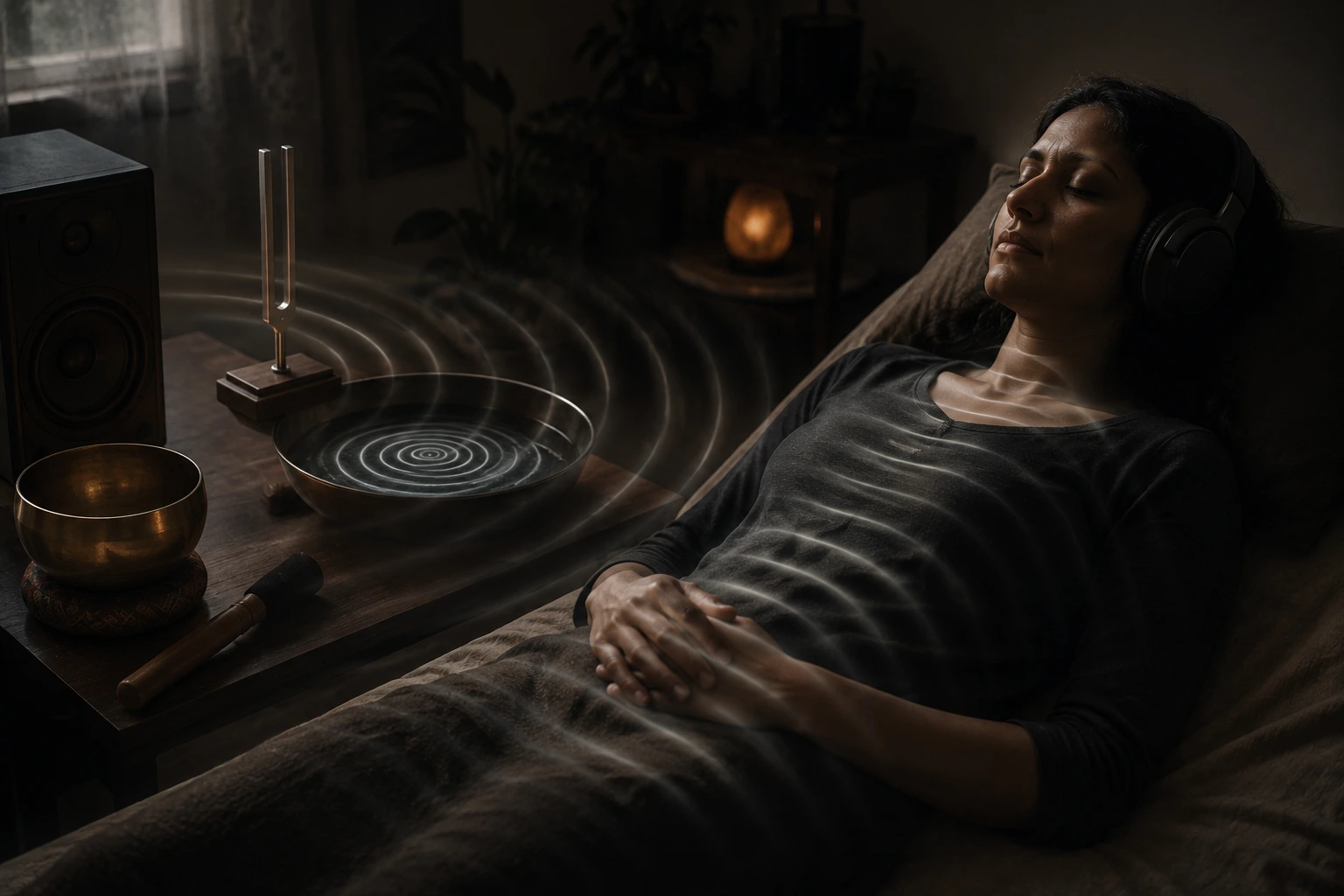
Reading glasses around forty, and what else might have stopped adjusting
Whenever I went for my eye test during my annual health exam in the Army, I would be asked to read something. And then I would be asked to get reading glasses. Not because I was unable to read (really fine print is another story though), but because it is an established thing that you have to have reading glasses as you turn 40.
The popular explanation is that with age the lens tends to lose its flexibility. Presbyopia is the name given to it. The eye loses its ability to shift quickly between near and far. Fair enough. But why is the lens hardening? Is it just age, or is there something more?
From the Somashadow perspective, I see the hardening of the viewpoint. When, after 'seeing life', someone becomes fixed in their views about life, about people, circumstances, society and themselves too.
What I am curious about shows up when I look at what else tends to settle around these exact same years of life.
Drawing Conclusions from the Middle Years
Give a thought about what a ‘young’ lens (or the muscles around it to be precise) does without being asked. It focuses on the phone in your hand and then something across the road in a fraction of a second. And it happens hundreds of times a day, and we don’t ever notice the switch happening. It doesn’t have a set preference, just what needs to be observed and focused on, is all that matters.
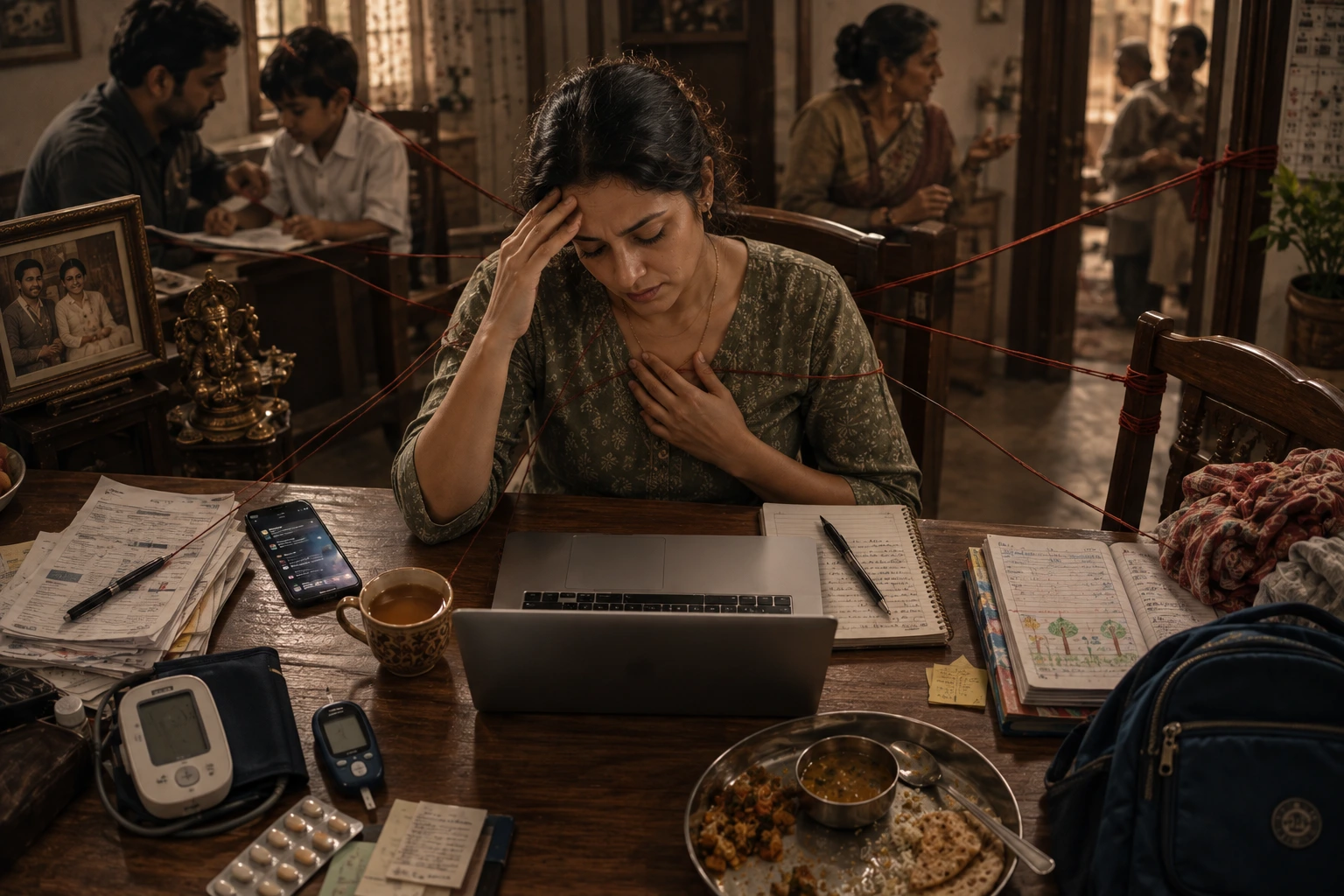
Now think about what a person goes through by the time they turn forty. Most of us see a fair bit of life and its tribulations. Jobs, relationships, children or the absence of them, parents who have started ageing, losses and a few people who were not like our impression of them. And we quietly draw conclusions about it all, without ever announcing them to ourselves. People are like this, money works like that, this is how families are and this is what society will say and what not.
Some of these conclusions are earned by experience and are genuinely useful. We are not the movie characters who start every morning with zero. But a conclusion is meant to be something to learn out of, and not something to be made concrete. However, most of the conclusions that we arrive at in life, stop being a lesson to be looked at, and end up becoming something that we look through instead. And we start reading the world with them already decided.
And that includes the view we hold of ourselves. I am not good with money. I am not the creative type. I am someone who cannot speak in front of people. A conclusion about yourself is the hardest one to catch, because it stops feeling like a view at all. It starts feeling like a fact. This is what shadows are all about – how we view ourselves and others.
The Shifting Focus
By this age, life too begins to ask for a different kind of focus, something that we were not always trained for. Earlier, most of the close-up work was unavoidable: watching the children, building a career, a marriage that needs adjustment, and reading everything in every room. The work could be any, but it all demanded the same fast, tight focus, over and over. By the forties, some of that near work eases, and the eye, and maybe the person, is asked to hold a slightly further focus instead. Hardly anyone makes that shift easily.
The presbyopic eye can still see, and often sees very sharply. What it has lost is the quick change of focus. A fixed view works much the same way. The person often still has plenty of experience and plenty of sharpness, and what has quietly gone is the ability to look at the same person or the same situation up close, and then from a distance, and let the second look correct the first.
Questions for Personal Reflection
So when the optometrist hands over the reading glasses, take them, and read the fine print. And maybe carry one more question out of the room with you:
- About others: When did I last change my mind about someone I had already decided about?
- About yourself: When did I last change it about myself?
Because the spectacles were never the interesting part. But the life the eyes saw and how far life allowed to see, is.