Sometimes the better move is to stop asking for the emotion directly
When I had started my practice, one thing that used to put me in a fix was when the client couldn’t (or wouldn’t) give an answer to my questions.
- “How did you feel when that happened?”
- “What are you afraid of?”
- “What do you really want?”
Most questions were met with a single reply - “I don't know.” That is just a tad bit worse than when some clients emotional vocabulary is limited to Good, Bad, Angry or Sad. Because most people don’t really have a name or recognition for the emotions that they are feeling.
Almost every practitioner reaches this spot at some point, and the instinct is usually to ask a more sophisticated version of the same question.
But instead of asking the same question from different angles, the better move is usually the opposite. Which is to stop asking for how they felt or the emotion directly, and to ask for the life around it instead.
Behaviour Is Easier to Recognise Than Emotion
You may ask questions like What happened next? or What did you actually do? Or you may also ask questions about some remedy traits like How is your sleep? Do you get nightmares? or Are you comfortable showing emotions in front of others?
Most people are unable to distinguish between anger and resentment or between pride and rigidity. So instead of asking them for emotion or feeling, it is better to look for what shows up through behaviour, contradiction, and consequence than through the direct question “what emotion are you feeling.” Someone who can't name their blame can usually tell you exactly what they did right after the conversation that upset them.
When You're Genuinely Stuck
It happens to the best of us - sometimes we feel stuck about how to navigate the conversation. One question that can open up a lot is just to ask: tell me about yourself. And just shut up and go into observation mode without rushing to fill the silence that follows.
The job in case-taking isn't demonstrating that you can ask clever questions. It's asking whichever question actually helps the person hand you something real, sometimes precise, targeted question, and sometimes it's simply enough room and quiet for them to find their own way there.
About the Author
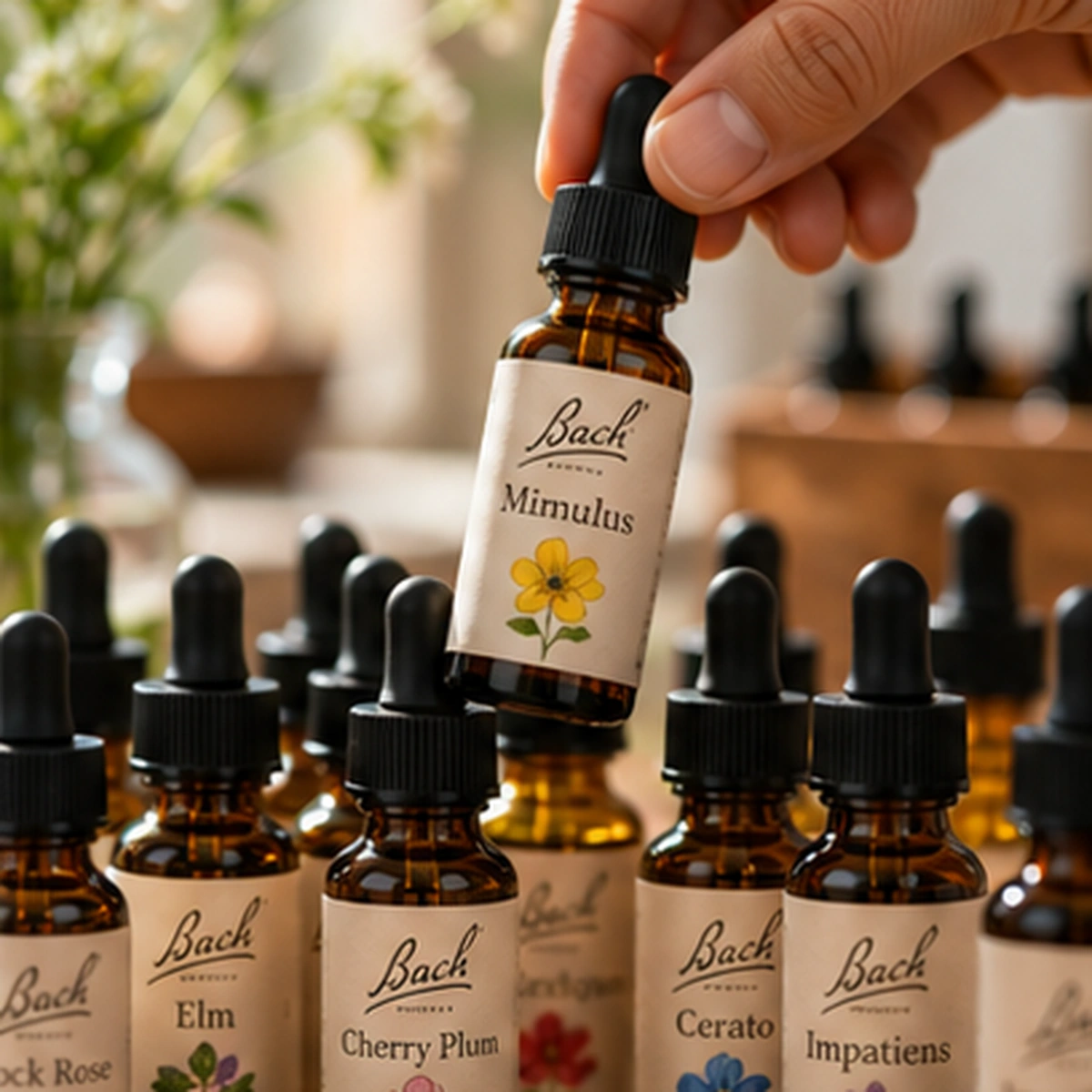
Lt Col Abhinav Sharma, SM (Retd.) is a Bach Flower Remedies practitioner and educator at Soulvyom Research LLP. He teaches live Foundation and Comprehensive Bach Flower Remedies programmes and works individually with clients through personalised BFR consultations. His teaching focuses particularly on distinguishing similar emotional states and applying remedy knowledge to real conversations.